



Please be informed that Dr. Rezvani will not be offering online consultation services until the end of the current year.
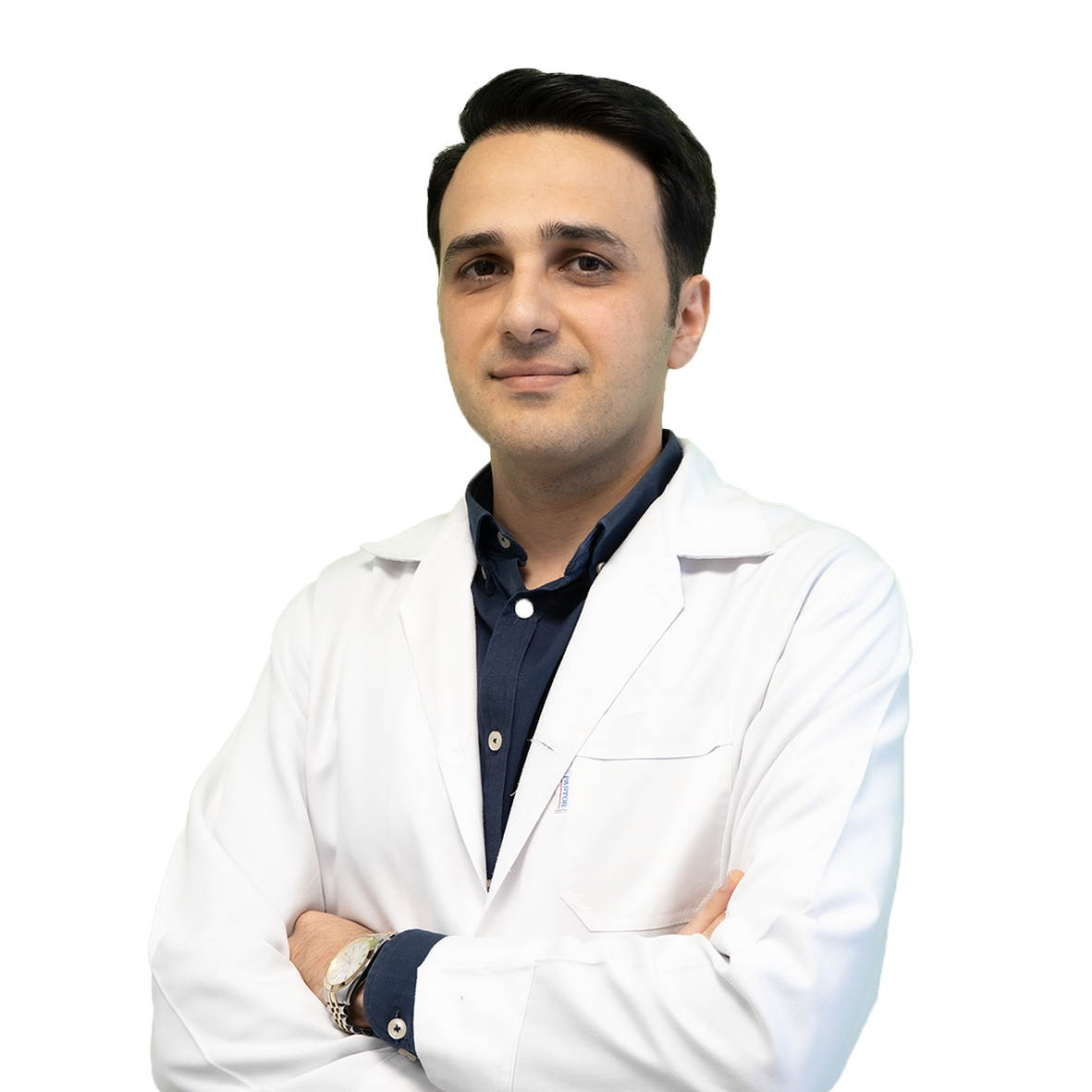
Dr. Masoud Sayad
- شماره نظام پزشکی: 141393
Dr. Masoud Sayad is a fellow in cardiovascular and cardiology subspecialty (cardiologist – cardio-oncology fellow) in Shiraz who is present at the Cardio-Oncology Clinic of Pardis Cancer Institute.
Clinic HoursDr. Masoud Sayad
Saturday and Tuesday
Phone Number
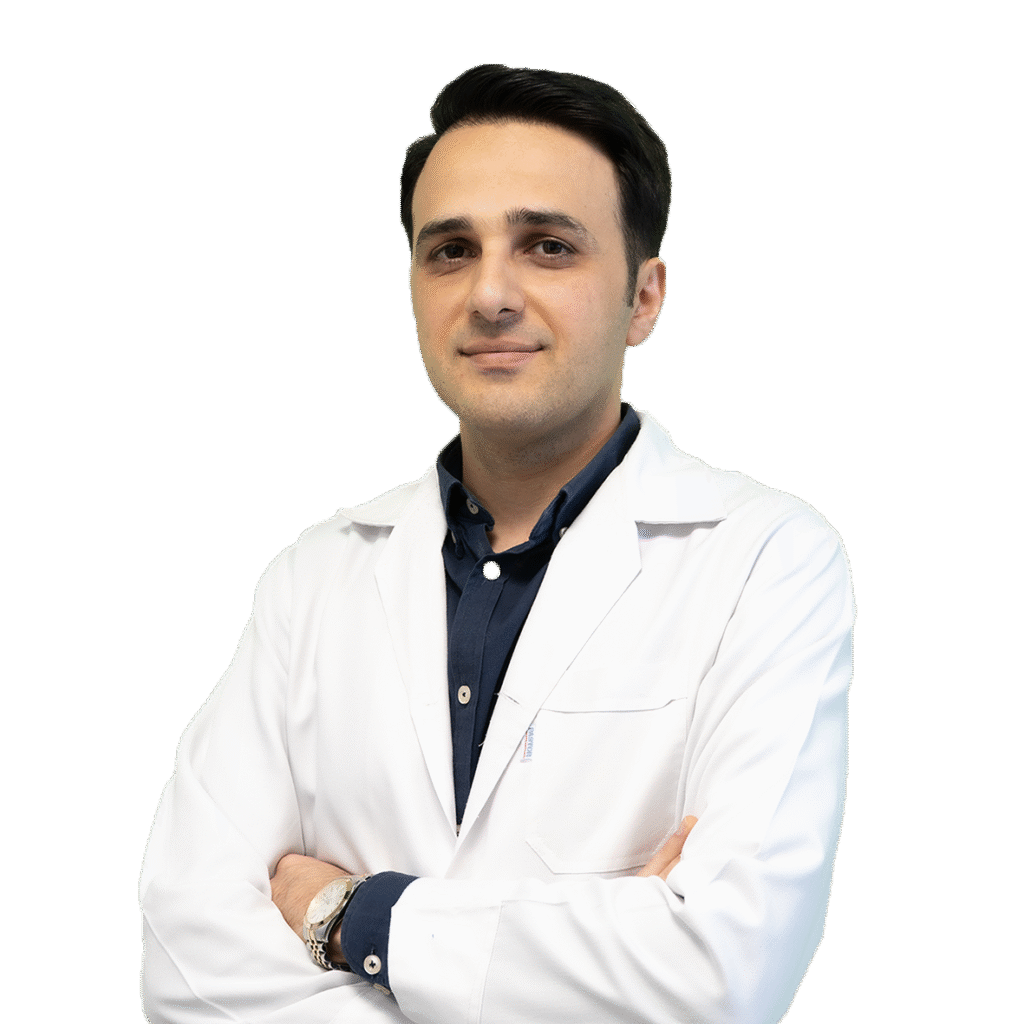
Biography and Curriculum VitaeDr. Masoud Sayad
Dr. Masoud Sayad; Where the Heart Has a Different Story to Tell
Some people do not choose medicine merely as a job; for them, medicine is a path that begins each day with a new question:
How can one improve the quality of a human life?
The professional journey of Dr. Masoud Sayad was shaped along this very path—a path that began in the complex world of cardiovascular medicine and later led to one of the most specialized and lesser-known fields in medicine: cardio-oncology.
After completing his residency in cardiology, Dr. Sayad pursued advanced training in cardio-oncology and earned his subspecialty fellowship from the Rajaie Cardiovascular Medical and Research Center in Tehran; a path that represents the intersection of two critical medical fields: heart disease and cancer.
Yet, cardio-oncology is more than just a specialized title.
Cancer treatment can sometimes affect a patient’s cardiovascular system. Certain chemotherapy drugs, as well as radiation therapy, may cause cardiovascular complications. This makes the role of a specialist in this field extend beyond treating a single condition; instead, the physician must monitor the patient’s heart health alongside their cancer treatment journey—before, during, and after therapy.
Dr. Sayad steps in at this exact juncture; where the heart and cancer meet.
At the Cardio-Oncology Clinic of Pardis Cancer Institute, he focuses on the cardiac evaluation and care of cancer patients, offering services such as pre-surgical cardiac consultation, as well as cardiac assessments before, during, and after chemotherapy and radiation therapy.
Alongside cardio-oncology, his scope of practice encompasses various cardiovascular diseases—ranging from hypertension and coronary artery disease to heart failure, arrhythmias, and diagnostic investigations such as echocardiography, stress testing, and Holter monitoring for rhythm and blood pressure.
Dr. Masoud Sayad’s professional path can be described as a journey from diagnosing a disease toward a more holistic view of the patient.
A perspective in which the patient is not merely a heart, a tumor, or a medical file, but a human being whose well-being must be seen in all its dimensions.
Today, Dr. Masoud Sayad, holding medical license number 141393 and practicing as a cardio-oncology fellow, is active in Shiraz, notably at the Cardio-Oncology Clinic of Pardis Cancer Institute.
And perhaps this entire journey can be summarized in a single sentence:
When cancer treatment begins, heart care must not stop; and when the heart is involved, every beat matters.
Clinics
Comments forDr. Masoud Sayad
FAQs
When should we consult a cardiologist?
If you experience symptoms such as chest pain or pressure, heart palpitations, shortness of breath, dizziness, unusual weakness and fatigue, or a history of high blood pressure and high cholesterol, it is best to consult a specialist to evaluate your cardiovascular condition.
Is fasting required for an ECG?
No, fasting is usually not required for an electrocardiogram (ECG). However, if other tests are performed at the same time, the doctor or medical center may provide specific instructions.
What does an echocardiogram examine?
Echocardiography uses sound waves to examine the structure and function of the heart. It can provide information about the heart muscle, valves, and certain structural heart conditions.
Are heart palpitations always a sign of heart disease?
No. Palpitations can occur for various reasons, such as stress, sleep deprivation, or the consumption of certain substances and medications; however, if they are frequent, prolonged, or accompanied by chest pain, dizziness, or shortness of breath, they should be evaluated by a physician.
Should individuals without symptoms also undergo a heart check-up?
Individuals who have risk factors such as high blood pressure, diabetes, high blood cholesterol, overweight, physical inactivity, smoking, or a family history of heart disease should consult a physician regarding the need for regular cardiovascular evaluations.
No comment