
Radiation Therapy Clinic
Related Departments
Radiation Therapy Clinic
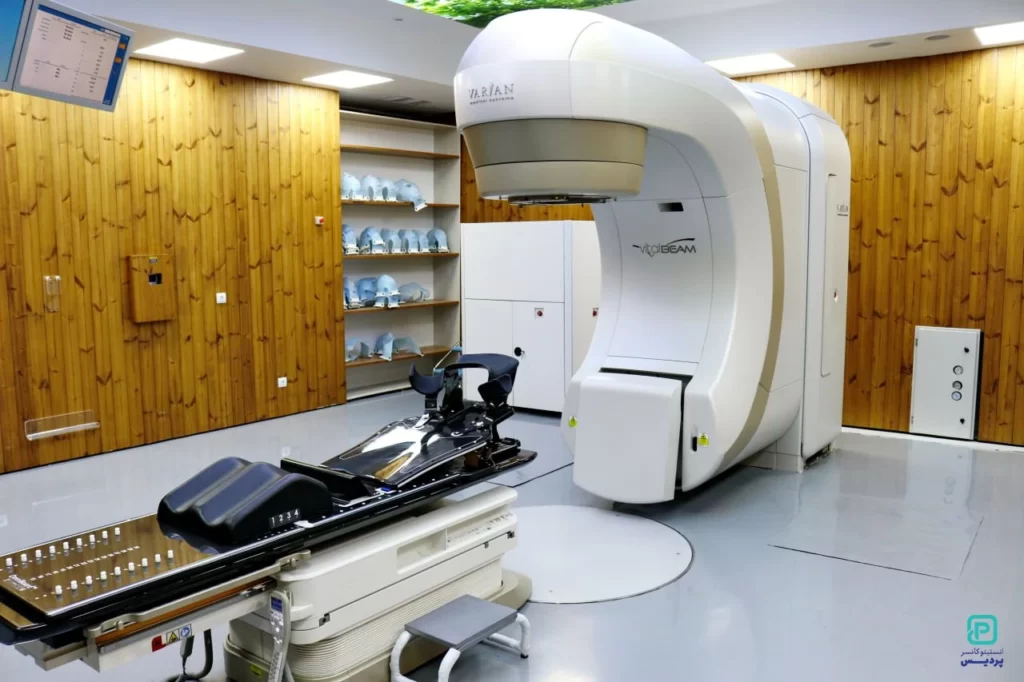
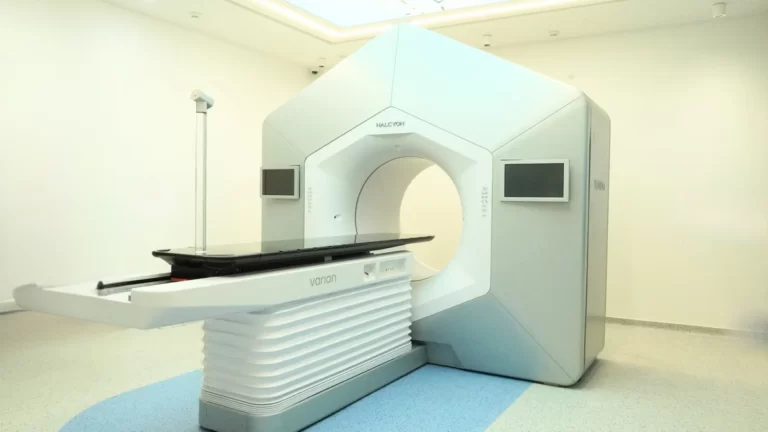
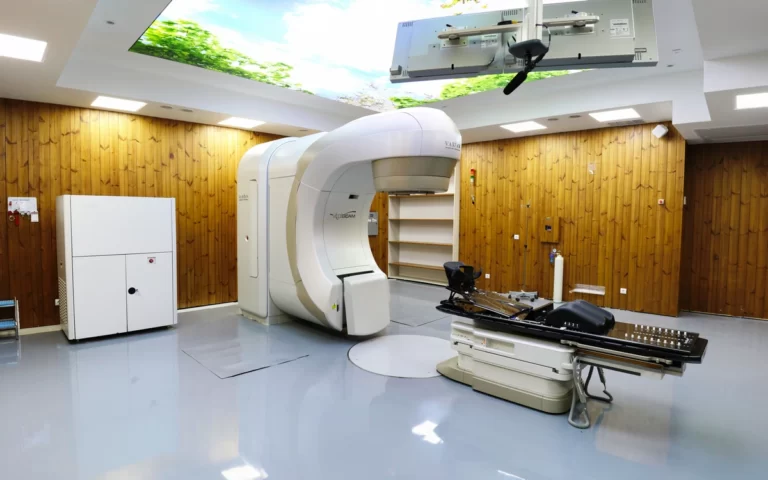
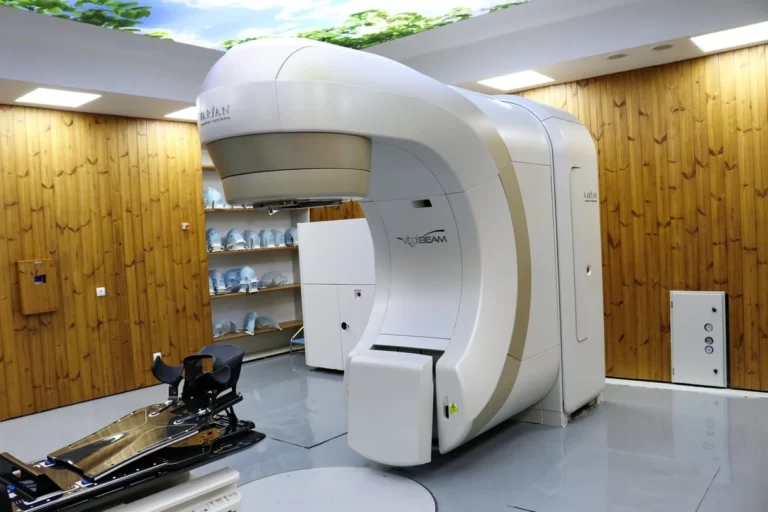
Pardis Radiation Therapy Clinic provides a safe and modern environment for the treatment of cancer patients, leveraging advanced equipment and a specialized team in the field of radiation oncology. Adhering to the latest international standards, the center designs precise, individualized treatment plans. With special attention to patient comfort and post-treatment care, it also offers counseling, educational, and psychological services to patients and their families. At Pardis Clinic, particular emphasis is placed on minimizing side effects and preserving patients’ quality of life during and after radiation therapy—a notable hallmark of delivering comprehensive treatment.
Working Hours / Clinic HoursRadiation Therapy Clinic
Phone Number
Telegram
Pre-Radiation Therapy Procedures
Before radiation therapy begins, the patient undergoes thorough medical examinations and imaging to determine the precise radiation field and appropriate dose. Typically, a CT or MRI scan is performed to map the tumor site. Based on the imaging results, the radiation oncologist designs a personalized treatment plan for each patient. At this stage, the patient receives necessary guidance on the treatment process, skin care, nutrition, bladder and bowel status, as well as tips for maintaining overall health, so the body is in optimal condition to begin treatment.
Post-Radiation Therapy Procedures
After the radiation sessions conclude, regular follow-ups are conducted to assess treatment effectiveness and manage side effects. The physician examines the patient’s general condition, the skin at the radiation site, nutrition, and the function of the affected organs, prescribing specific medications or supplements to reduce inflammation and strengthen the body when needed. Patients are encouraged to rest adequately, follow a balanced diet rich in protein and vitamins, avoid direct sun exposure on the treated area, and promptly report any new symptoms to the treatment team. These measures help regenerate tissues and facilitate a faster return to normal bodily conditions.
Warning Signs of Head and Neck Cancer and Ways to Prevent It
Types of Benign and Malignant Brain Tumors
Vape or Cigarettes? Differences and Health Facts
How Is Head and Neck Cancer Treated?
Essential Preparations Before a CT Scan
Did You Know? New Radiation Therapy Methods Are Revolutionizing Treatment Precision
Related PhysiciansRadiation Therapy Clinic
Related InsurancesRadiation Therapy Clinic
Your physician will provide specific information regarding sexual intercourse during your radiation therapy. For female patients, sexual intercourse may not be advisable during pelvic radiation, such as in cases of gynecological cancers. For male patients, as sperm quality may be affected by abdominal radiation, it is generally not recommended to attempt conception during the treatment period and for two months following the completion of radiotherapy. If a male cancer patient undergoes radiation to the lower abdomen, it may result in azoospermia (the absence of live sperm in the semen). While this condition often does not affect erectile function, if they plan to have children later, it is advisable to undergo sperm cryopreservation (sperm freezing) before starting radiation therapy. Some female patients receiving lower abdominal radiation may be unable to conceive naturally after menstruation without specific preparations; in such cases, they should consult their physician regarding egg freezing or embryo cryopreservation.
During radiation therapy, nutritional recommendations vary depending on the area being treated. For instance, for radiation to the neck and esophagus, soft, non-irritating foods are recommended; however, for radiation to the lower abdomen, a diet should be chosen that does not cause diarrhea. Additionally, for hormone-sensitive cancers such as breast cancer, your physician may provide recommendations for weight management.
Radiation therapy is administered under the supervision of a radiation oncologist. During treatment, you should follow your physician’s instructions precisely and attend all scheduled examinations regularly. Be sure to inform your physician if you develop any new symptoms, such as fever or difficulty swallowing, or before taking any new medications.
- Mouth and throat sores in head and neck radiation
- Redness or darkening of the skin at the treatment site
- Difficulty swallowing in esophageal and gastric radiation
- Diarrhea in abdominal radiation
- Decreased blood cell counts during treatment
- Nausea and vomiting, particularly in brain and neck radiation
Prior to treatment, necessary tests are conducted, and the patient is informed about the reasons for requiring radiotherapy. Preparation includes oral care for head and neck radiation, bladder and rectum positioning for abdominal radiation, and blood tests.
The number of sessions and the duration of each session are determined based on CT scans and the radiation oncologist’s decision regarding the treatment area. Influencing factors include surgical history, the clinical status of the disease, and the patient’s other medical conditions.
Prior to treatment, necessary tests are conducted, and the patient is informed about the reasons for requiring radiotherapy. Preparation includes oral care for head and neck radiation, bladder and rectum positioning for abdominal radiation, and blood tests.
No. Radiation rays do not accumulate in the body, and no radiation is emitted from the body after the treatment is completed; therefore, contact with family members is safe.
The radiation rays are not felt, much like a CT scan; patients do not feel anything during the radiation process itself
Radiotherapy is a type of treatment that utilizes ionizing radiation to destroy cancer cells. While healthy cells are typically able to repair the damage, tumor cells are destroyed.
It varies depending on the type of cancer, the treatment area, and the physician’s prescription. The exact cost will be provided by the physician
The contracted insurance providers can be viewed at the following link:

