
Saadi Treatment Hall
Related Sections
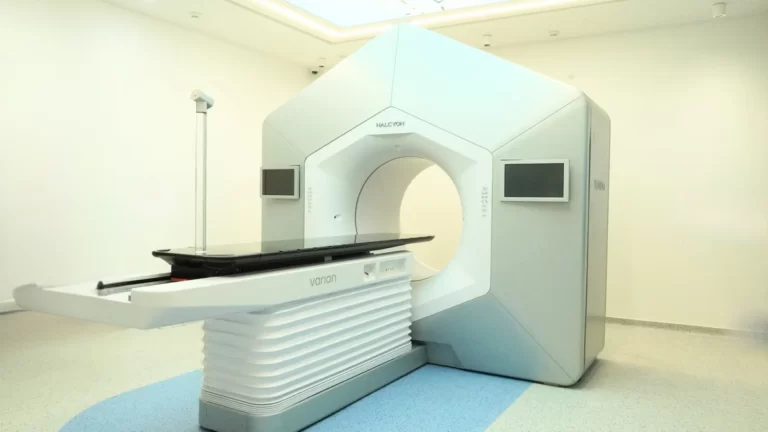
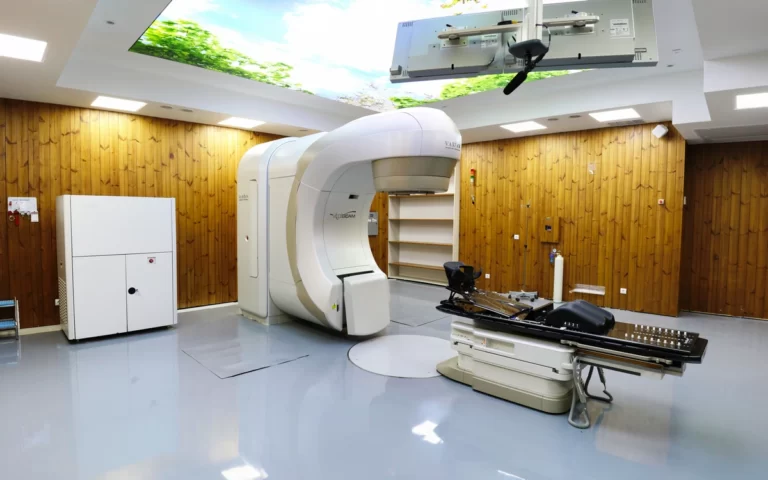
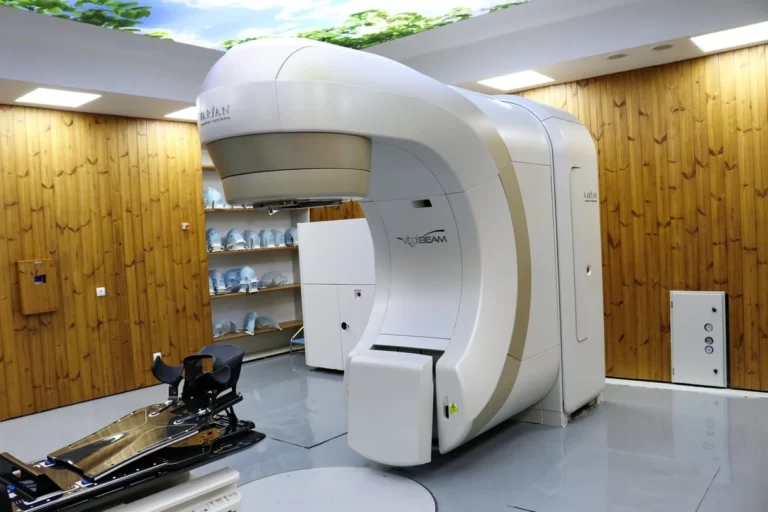
Introduction to the Advanced Radiotherapy Machine and Its Modern Techniques
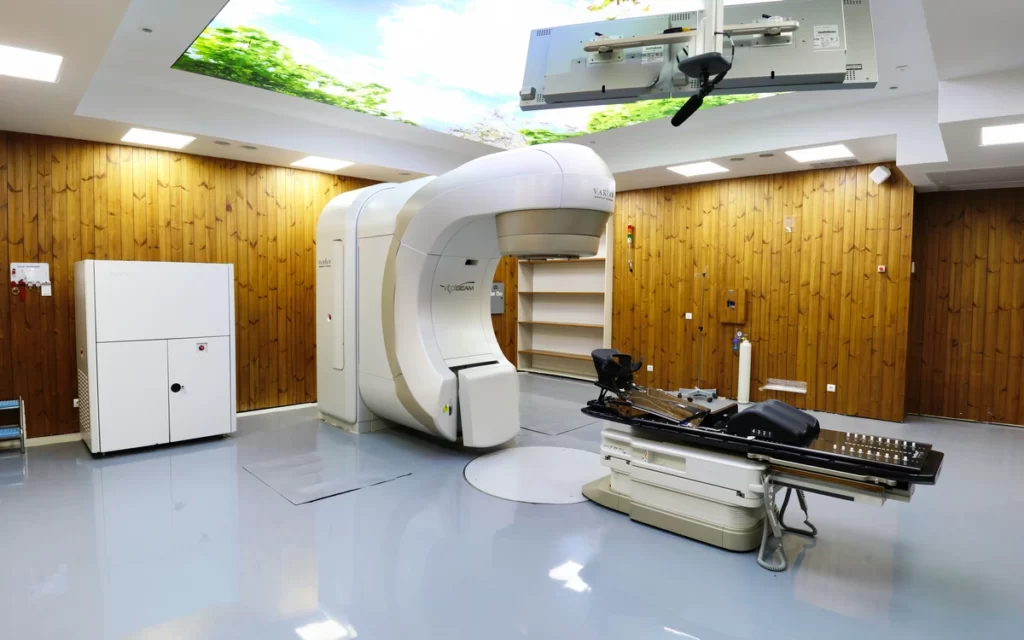
Radiotherapy is one of the main pillars in the treatment of many cancers, and with advances in technology, more precise, safer, and more effective treatment methods have been developed. The radiotherapy machine at our center is one of the most advanced available today and is capable of performing several modern techniques, including IMRT, VMAT, SBRT, SRS, CBCT, and soon 4DCT. These techniques allow highly accurate targeting of the tumor, so the surrounding healthy tissues receive less damage and treatment side effects are reduced.
1. Intensity-Modulated Radiation Therapy (IMRT)
Definition:
IMRT, or Intensity-Modulated Radiation Therapy, is an advanced form of radiotherapy in which the radiation intensity is adjusted across different areas of the treatment field. This technique makes it possible to deliver an accurate radiation dose in a three-dimensional shape matched to the size and position of the tumor.
Advantages:
- Precise tumor coverage with minimal damage to surrounding healthy tissue
- Suitable for tumors with irregular shapes or those close to sensitive structures such as the spinal cord, brain, lungs, and prostate
- Significant reduction in long-term side effects
2. Volumetric Modulated Arc Therapy (VMAT)
Definition:
VMAT, or Volumetric Modulated Arc Therapy, is another type of intensity-modulated radiotherapy in which the machine rotates around the patient in an arc while the beam angle, intensity, and shape change at the same time.
Advantages:
- Shorter treatment time compared with IMRT
- High precision in matching dose to tumor volume
- Greater comfort for the patient because the session is shorter
Applications:
Cancers of the head and neck, prostate, lung, breast, and pelvic region
3. Stereotactic Body Radiotherapy (SBRT)
Definition:
SBRT, or Stereotactic Body Radiotherapy, is a highly precise technique used to treat small, well-defined tumors in organs such as the lungs, liver, spine, and pancreas. In this method, a high radiation dose is delivered in a limited number of sessions, usually between 1 and 5.
Advantages:
- Much faster treatment
- High effectiveness in destroying the tumor
- Better preservation of the target organ’s function due to reduced damage to healthy tissue
Requirements:
- Highly precise imaging devices
- Advanced immobilization system to prevent patient movement
4. Stereotactic Radiosurgery (SRS)
Definition:
SRS, or Stereotactic Radiosurgery, is similar to SBRT but is used to treat brain lesions. In this method, a very high radiation dose is delivered to a specific area of the brain in one or a few short sessions.
Applications:
- Treatment of brain metastases
- Benign tumors such as meningioma or schwannoma
- Vascular abnormalities such as AVM (brain vascular malformations)
Advantages:
- Non-invasive alternative to brain surgery
- Millimeter-level precision in targeting the lesion
- Quick return to daily activities
5. Cone Beam Computed Tomography (CBCT)
Definition:
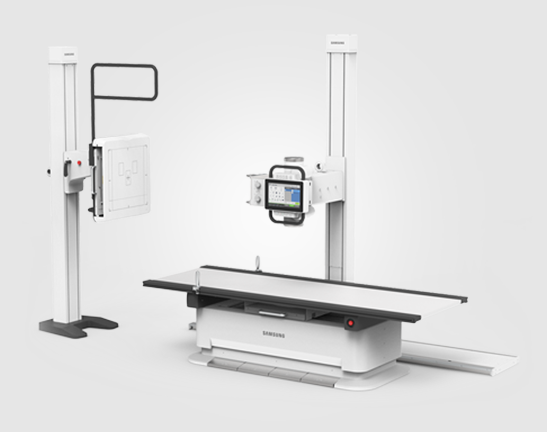
CBCT, or Cone Beam Computed Tomography, is a three-dimensional imaging technique performed before each treatment session to determine the exact position of the tumor relative to the patient’s body.
Advantages:
- Improved accuracy in patient positioning
- Real-time position corrections to improve treatment precision
- Reduced risk of radiation exposure to healthy tissue
Applications:
All of the above techniques (IMRT, VMAT, SBRT, SRS) require CBCT to achieve the highest possible precision.
6. Four-Dimensional Imaging (4DCT) – Coming Soon
Definition:
4DCT, or Four-Dimensional Computed Tomography, is an advanced technique that, in addition to three-dimensional body imaging, also takes motion changes such as breathing into account. This technology is especially vital for treating moving tumors such as lung tumors.
Advantages:
Increased safety and effectiveness of radiotherapy
Treatment synchronized with the patient’s breathing cycle
More precise targeting of tumors that move with breathing
Working HoursSaadi Treatment Hall
Phone Number
Telegram
Lorem ipsum dolor sit amet, consectetur adipiscing elit. Ut elit tellus, luctus nec ullamcorper mattis, pulvinar dapibus leo.
Photo GallerySaadi Treatment Hall
Related DoctorsSaadi Treatment Hall
Related InsurancesSaadi Treatment Hall
You can view the department's contracted insurance plans through the link below.
https://pardiscancer.com/insurances
Radiotherapy costs depend on several factors that the treating physician must evaluate, and the cost will be communicated to you.
Radiotherapy is a treatment that uses ionizing radiation. In fact, we are not strangers to radiation, meaning the transfer of energy through the air. Today, many devices such as mobile phones, television antennas, and microwave systems also emit radiation.
-Most people can stay still, and that is usually the only challenge during treatment.
Radiotherapy does not make the patient radioactive, so family members are not exposed to radiation from the patient.
Preparation depends on the treatment site and the instructions given by the medical team.
Most often, it is determined based on the type of cancer, the treatment plan, and the physician's decision.
Yes, side effects can occur, and they vary depending on the treated area and the dose used.
- Mouth sores: Sores may develop in the mouth and throat, especially in head and neck treatments, because the mucosal cells of the mouth are very sensitive to radiotherapy. Symptoms often improve with proper oral hygiene.
Follow the treatment schedule and the care instructions provided by your medical team.
During radiotherapy, nutrition should be balanced and adapted to your condition and the advice of your care team.
The impact depends on the treatment area, the dose, and the patient's overall condition.

