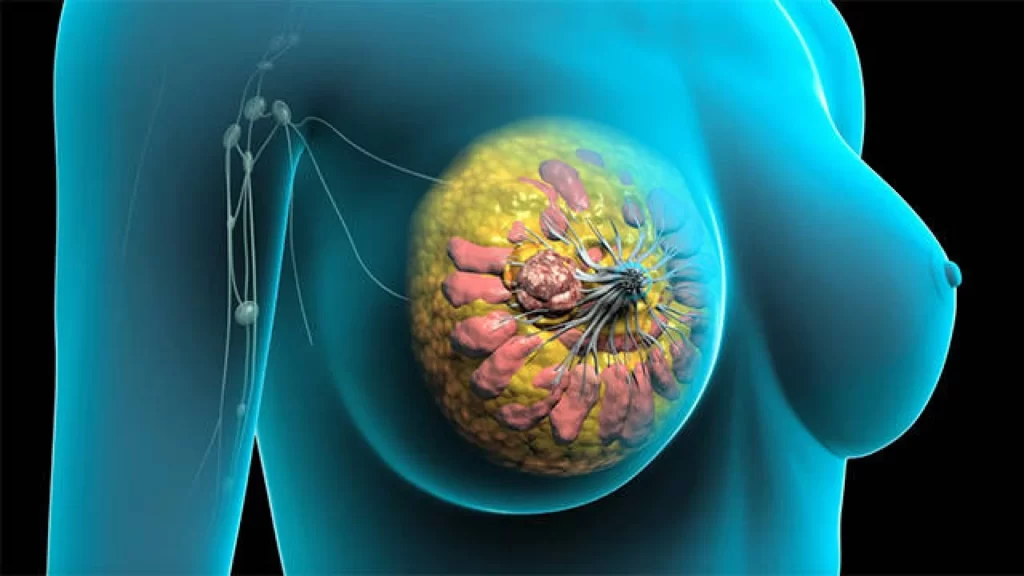
The Breast Clinic at Pardis Cancer Institute, powered by dedicated and experienced physicians, is prepared to provide diagnostic and therapeutic services to individuals facing breast-related issues and diseases, ranging from benign conditions to cancer.
This center offers comprehensive treatment interventions for patients with breast cancer and other high-risk breast diseases. Our physicians in this clinic also examine other breast complications and issues, some of which are mentioned below:
Abnormal mammography and new or suspicious masses
Breast cancer risk assessment and family history of breast cancer
Breast enlargement (gynecomastia) in men
Non-cancerous breast disorders (benign), atypical hyperplasia, ductal and lobular, and lobular carcinoma
Other breast issues such as changes in the breast skin, nipple discharge, breast infection, and breast pain
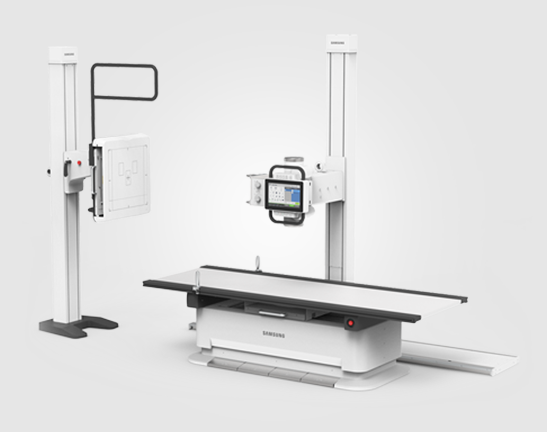
The Breast Clinic at Pardis Cancer Institute can, with proper planning, arrange biopsy timing if necessary to ensure the fastest possible access to results, which means reducing waiting times and the need for continuous visits. Our physicians are capable of diagnosing abnormal breast conditions and providing many services, including the following:
Breast cancer screening
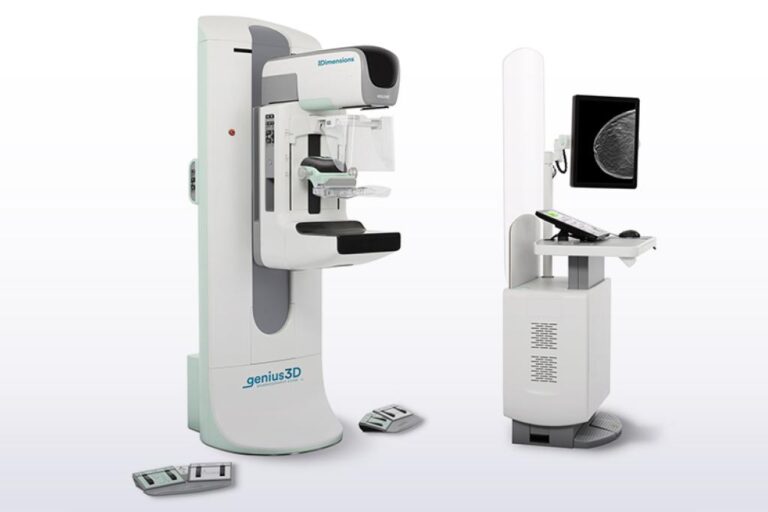
Mammography
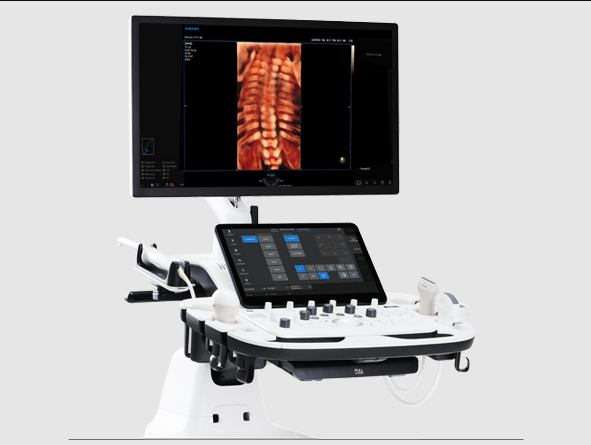
Ultrasound
Breast cancer surgery
Breast cancer chemotherapy
Breast cancer hormone therapy
Breast cancer prevention counseling
Genetic counseling for individuals at risk of developing breast cancer
Patient education and breast cancer management programs
Breast specialists at the Pardis Medical Center are constantly collaborating and interacting with other specialists in the fields of surgery, imaging, oncology, pathology, plastic surgery, genetics, nursing, and psychology to diagnose and treat breast-related diseases.